

Vegetarian Sources of Protein: A Complete Guide to Eating Well Without Meat
Adopting a vegetarian diet can be a healthy, sustainable, and satisfying way to eat—but one of the most common questions people ask is: Where do you get your protein? The good news is that a well-planned vegetarian diet can easily provide all the protein your body needs. The key lies in understanding which foods are rich in protein and how to combine them effectively.
Why Protein Matters
Protein is essential for building and repairing tissues, producing enzymes and hormones, and supporting overall health. It is made up of amino acids, some of which are called “essential” because the body cannot produce them on its own. While many animal-based foods contain all essential amino acids, plant-based diets can still meet these requirements with a bit of variety and planning.
Legumes: The Backbone of Vegetarian Protein
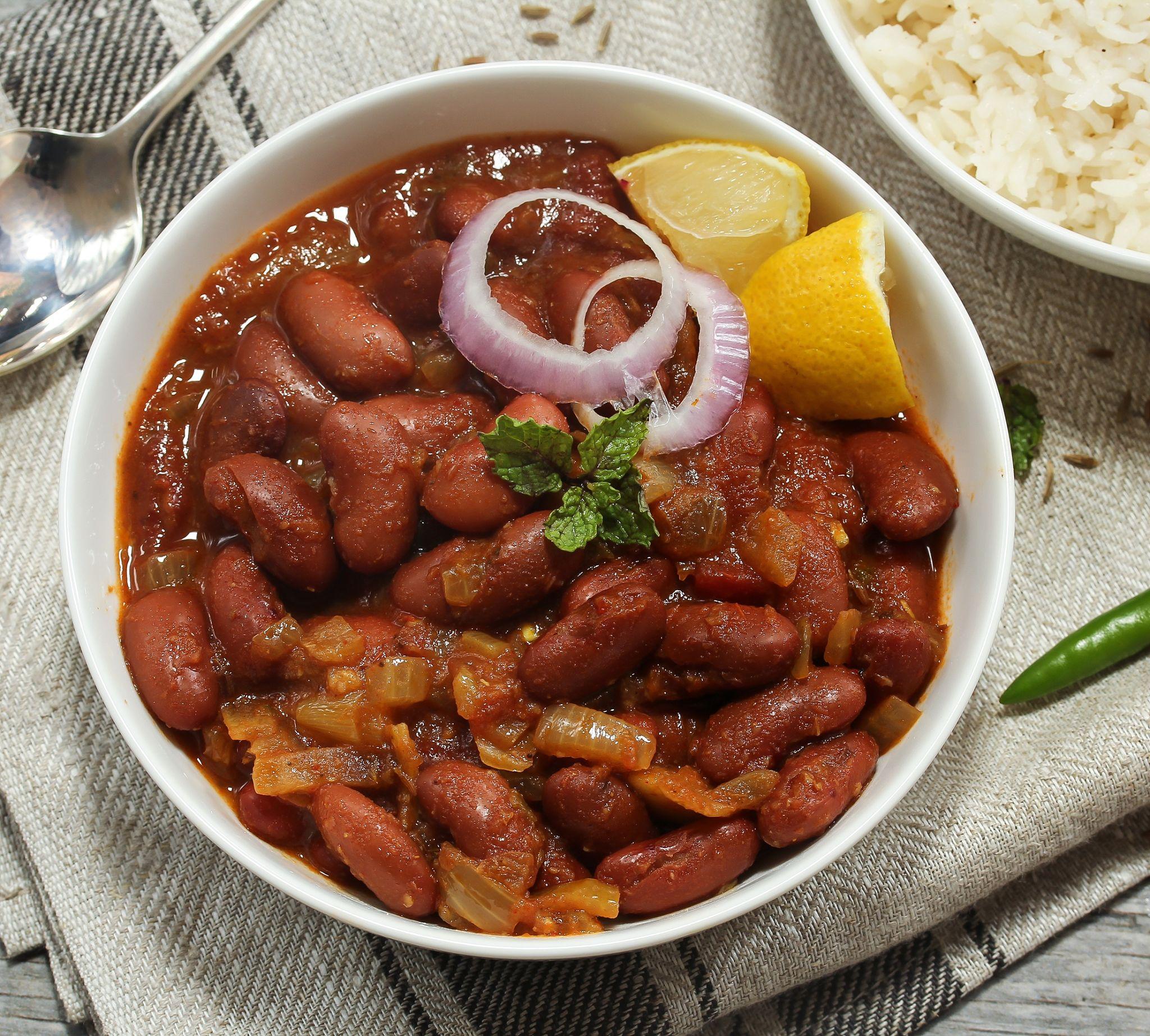
Legumes are among the richest plant-based protein sources and form the foundation of many vegetarian diets. Foods such as lentils, chickpeas, black beans, and kidney beans are not only high in protein but also packed with fiber, iron, and complex carbohydrates. They are versatile and can be used in soups, salads, stews, and spreads like hummus.
Whole Grains: More Than Just Carbs
Whole grains contribute more protein than many people realize. Quinoa stands out as a complete protein, meaning it contains all essential amino acids. Other grains like oats, brown rice, and whole wheat products also add meaningful amounts of protein to your diet. When paired with legumes, they form a nutritionally complete protein profile.
Nuts and Seeds: Small but Powerful
Nuts and seeds are nutrient-dense foods that provide protein along with healthy fats, vitamins, and minerals. Almonds, peanuts, chia seeds, flaxseeds, and pumpkin seeds are excellent choices. They make convenient snacks and can easily be added to meals, smoothies, or baked goods.
Soy Products: Complete Plant-Based Protein
Soy-based foods are among the best vegetarian protein sources because they are complete proteins. Tofu, tempeh, edamame, and soy milk are all rich in protein and highly adaptable in cooking. Tempeh, in particular, offers a firm texture and nutty flavor, making it a popular meat substitute.
Dairy and Eggs (Optional)
For those who follow a lacto-vegetarian or ovo-vegetarian diet, dairy products and eggs provide high-quality protein. Greek yogurt, milk, cheese, cottage cheese, and eggs are all complete protein sources that can help meet daily protein needs with ease.
Do You Need to Combine Proteins?
A common myth is that vegetarians must combine specific foods at every meal to form complete proteins. In reality, as long as you consume a variety of protein sources throughout the day, your body can assemble the amino acids it needs. That said, classic combinations like rice and beans or peanut butter on whole-grain bread remain nutritionally beneficial.
How Much Protein Do You Need?
Most adults need about 0.8 grams of protein per kilogram of body weight per day. Those who are physically active, pregnant, or trying to build muscle may require more. With a balanced vegetarian diet that includes legumes, grains, nuts, seeds, and possibly dairy or eggs, meeting these needs is entirely achievable.
Vegetarian diets are not only capable of providing sufficient protein—they can also support overall health when thoughtfully planned. By incorporating a wide range of plant-based foods and, if desired, dairy or eggs, you can enjoy a nutritious and protein-rich diet without relying on meat.
Whether you are fully vegetarian or simply looking to reduce your meat intake, understanding these protein sources empowers you to make informed, healthy choices every day.