

The North Indian state of Uttar Pradesh is home to some of the country’s most celebrated heritage sites. The city of Agra is internationally renowned for the iconic Taj Mahal, one of the Seven Wonders of the World. Along with the Agra Fort and Fatehpur Sikri, these monuments form the three UNESCO World Heritage Sites in the state. Together, they represent the architectural brilliance and cultural depth.
Engaging citizens through public participation campaigns
To mark World Heritage Week 2026, Uttar Pradesh Tourism launched two innovative public participation campaigns “Heritage through My Lens” & “Share Your Personal Treasure.” These initiatives encouraged citizens to actively engage with heritage by capturing, documenting and sharing their personal and local cultural narratives, thereby transforming passive observers into active contributors.
Mr. Jaiveer Singh, Minister of Tourism and Culture, GoUP emphasised that the state continues to prioritise the preservation and promotion of its heritage. He added that these campaigns aim to connect people especially the youth with their roots, enabling them to rediscover heritage from their own perspective and proudly share it with the world.
Mr. Amrit Abhijat, Additional Chief Secretary, Tourism, Culture and Religious Affairs, Uttar Pradesh said that such initiatives are redefining tourism by making citizens active participants. He added that this approach helps uncover hidden local heritage and brings recognition to lesser-known traditions and sites, many of which could gain prominence on the state’s tourism map.
Beyond monuments: a diverse cultural landscape
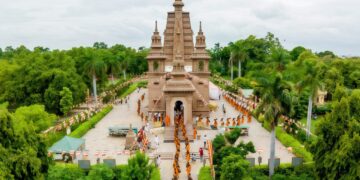
Beyond its three UNESCO World Heritage Sites, Uttar Pradesh features prominently on UNESCO’s Tentative List with culturally significant destinations such as Sarnath, the spiritual ghats of Varanasi, and historic centres like Jhansi. The state also preserves ancient trade routes, temple architecture and textile traditions like the iconic Banarasi saree weaving clusters. The region’s heritage extends to Buddhist sites such as Kushinagar and Sravasti, Gupta-era temples and important landmarks associated with India’s freedom movement showcasing a continuous historical narrative from ancient to modern times.
Adding to its diverse heritage landscape, the Salkhan Fossil Park is a remarkable geological site. Located in Sonbhadra, the park is home to fossils dating back approximately 1.4 billion years, making it one of the oldest and most well-preserved fossil sites in the world.
Intangible heritage and global recognition
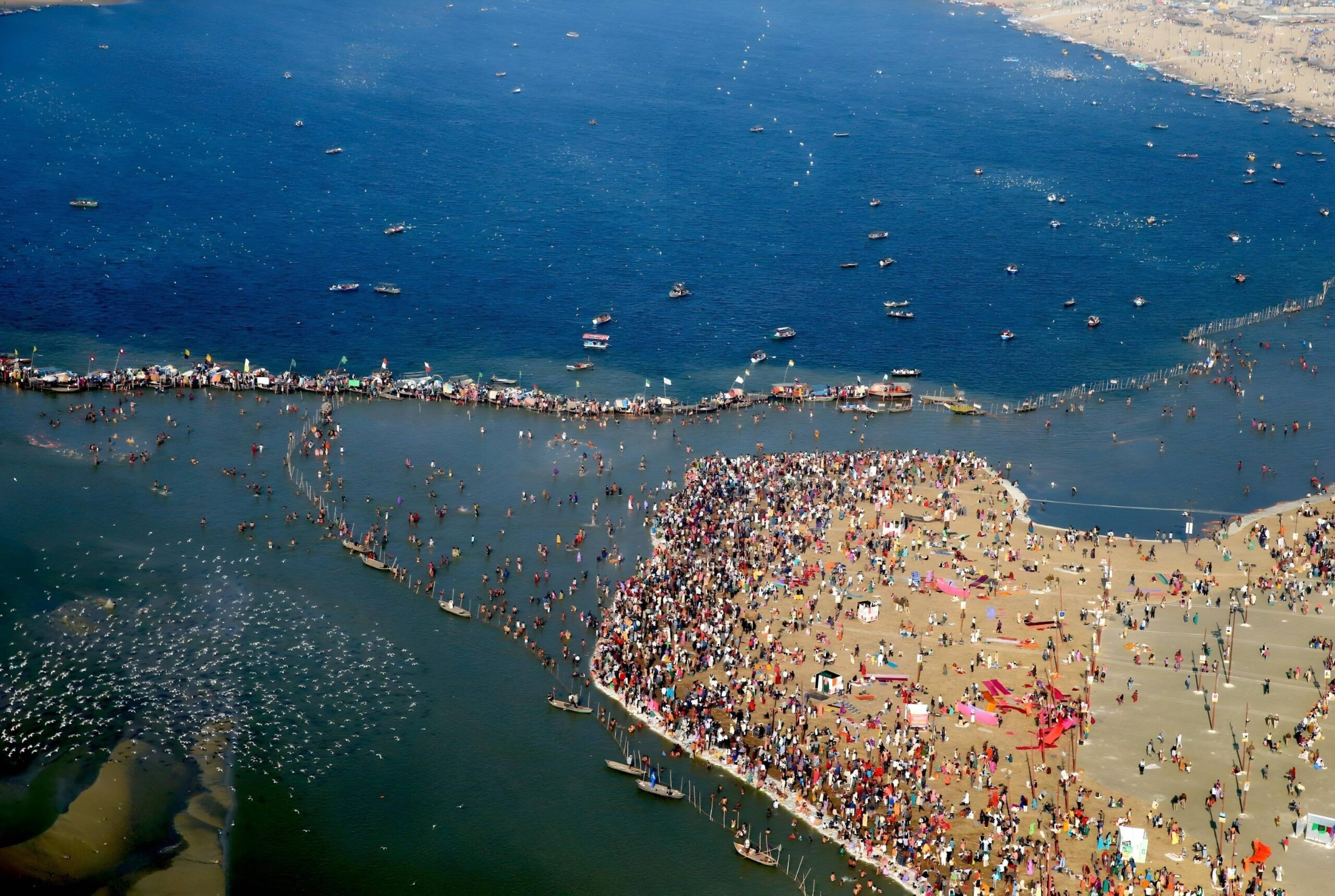
Uttar Pradesh’s cultural richness is not limited to tourism sites, it includes experiences too. The Kumbh Mela, centered at Triveni Sangam inscribed on UNESCO’s Representative List of the Intangible Cultural Heritage of Humanity, is the world’s largest peaceful gathering of pilgrims. Similarly, Ramlila reflects the enduring tradition of storytelling through performance.
The inclusion of Diwali (Deepawali) in UNESCO’s Intangible Cultural Heritage of Humanity list marks a historic milestone for India’s cultural legacy. This recognition celebrates Deepawali not merely as a festival, but as a living tradition symbolizing the victory of light over darkness, knowledge over ignorance and hope over despair. It underscores universal values of harmony, renewal and collective joy that resonate far beyond geographical boundaries.
Uttar Pradesh Gained Global Recognition for Culinary and Musical Excellence
Adding to its global cultural stature, Lucknow has been designated as a UNESCO Creative City of Gastronomy for its rich Awadhi cuisine, while Varanasi holds recognition as a UNESCO Creative City of Music within the UNESCO Creative Cities Network (UCCN).
Uttar Pradesh stands as a shining example of how heritage both tangible and intangible can be preserved, celebrated and reimagined through public participation. By involving citizens, especially the youth, the state is not only safeguarding its past but also shaping a culturally aware and engaged future.